Surface Condition
Surface Condition
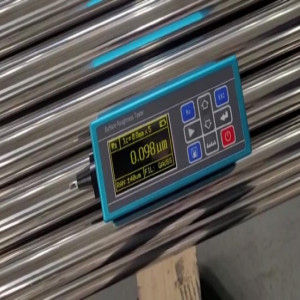
Roughness Tester • Glossmeter: Test is Carried out for measuring roughness of the tube & pipe for outer surface.
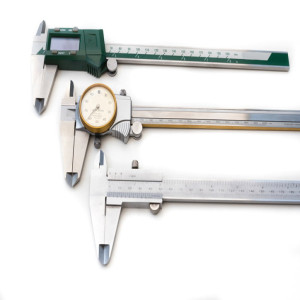
Dial Vernier Calliper
Dial Vernier Calliper
Measure diameter & thickness of the tubes & pipe.
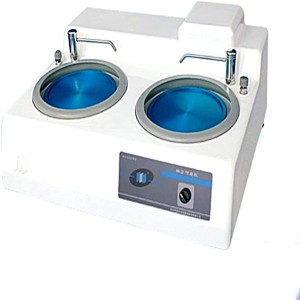
Double Disk Grinding
Double Disk Grinding
Single 200 mm diameter disc polisher with variable speed facility for polishing of test pcs.
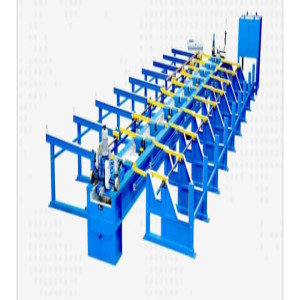
Leak Test
Leak / Hydrostatic Test
Hydro Testing - SS Straight Tubes and Pipes - 100% hydrostatic. Testing is carried out according to ASTM A450, ASTM A999, ASTM A1016, and API 5LC norms to check tubes and pipes for leakage. Hydro testing of pipes, pipelines, and vessels is performed to expose defective material that may have missed prior detection, ensuring that any remaining defects are insignificant enough to allow operation at design pressures. It helps expose possible leaks and serves as a final validation of the constructed system.
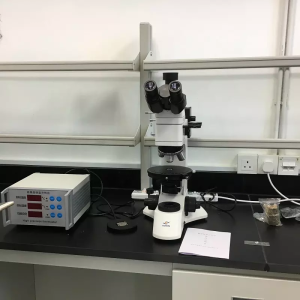
Metallurgical Micro Scope
Metallurgical Microscope
Involves grain structure examination as per specification using an optical microscopе. Etching Test. Feritscope.
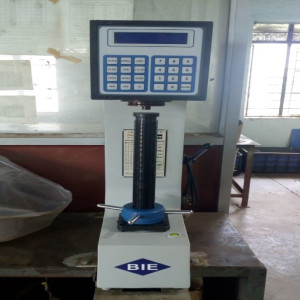
Hardness Test
Hardness Test
The hardness is the ability of a material to resist the pressing of a harder material into its surface. According to different test methods and adaptation range, pipe hardness has different units, brinell hardness is one of them.
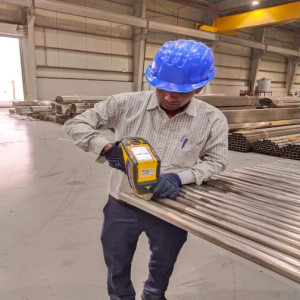
Chemical Analysis
Chemical Analysis
PMI XRF Mobile spectrometers (PMI Testing Machine). XRF PMI is a non-destructive semi-quantitative method that determines the chemical composition of a material.
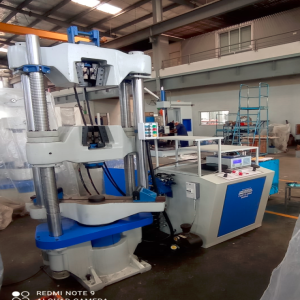
UTM: Mechanical/Physical Testing
UTM: Mechanical/Physical Testing
• Tensile: To obtain the mechanical properties of finished tubes & pipes and testing for flaring, flange test, flattening, reverse flatting, reverse bending.
• Flattening Test: This test is conducted to check the strength of the welded section subjecting it to extreme compression stress.
• Flaring Test: The test is conducted to establish the forming behaviour of pipes & tubes which are expanded to certain degree.
• Flange: The test is considered passed if the outer diameter of the flange reaches the value defined in the specification standards without crack formations in the welded tube.
• Reverse Bend: To ensure full ductility of the tubes, as well as tests the weld and the base metal strength by stretching the material to its physical endurance limit.